Beyond the Limits of the Traditional Set in Commercial Photography
In commercial photography today, the real competitive edge comes from combining uncompromising technical precision with advanced digital flexibility. Our hybrid workflow does not replace still life photography: it takes it further.
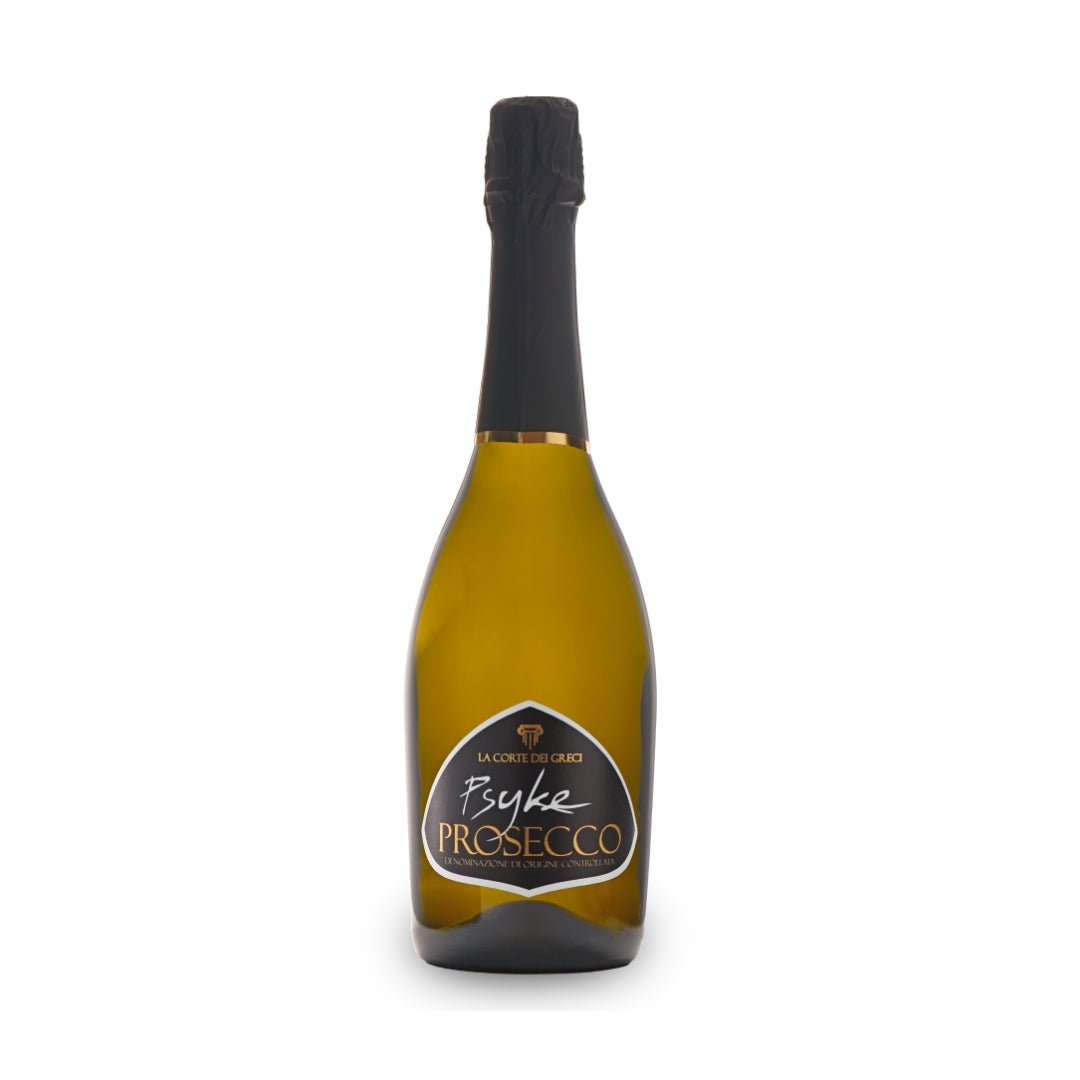
Every project still starts from a high-end still life shot taken in the studio by Luca Corsetti, where the physics of light, the reflections on the glass, the volumes and the colour accuracy of the product are handled with no digital compromise on the subject. The product is always photographed for real in the studio; AI is used only for the settings and backgrounds around it.
1. Beverage & Spirits Photography: From Master Shot to Atmosphere
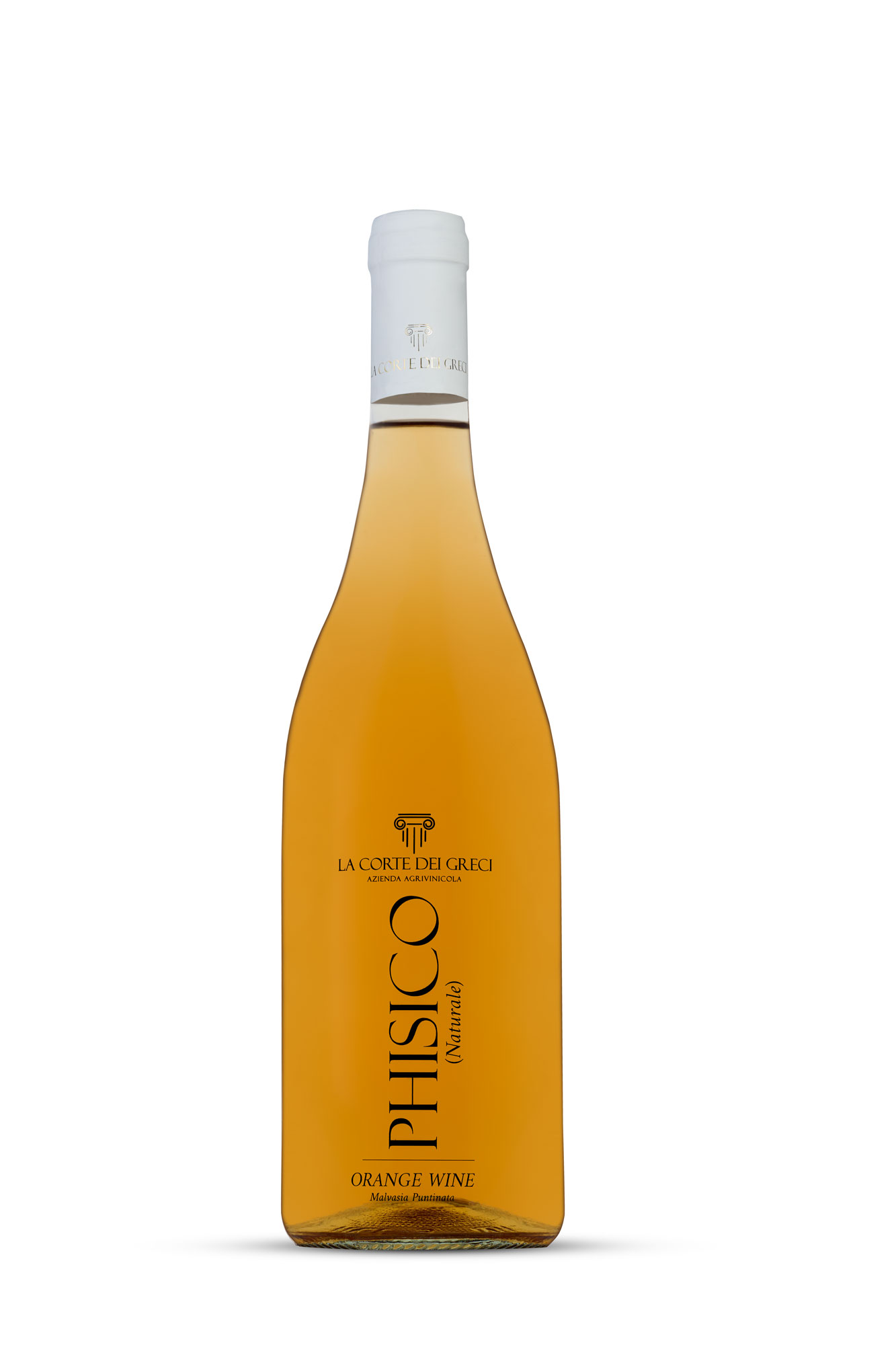
Take Phisico, an orange wine. The essential first stage is a straight photograph of the bottle on a neutral background (a real studio shot), ensuring that the label, the logo, the capsule and the transparency of the liquid stay completely realistic and sharp.
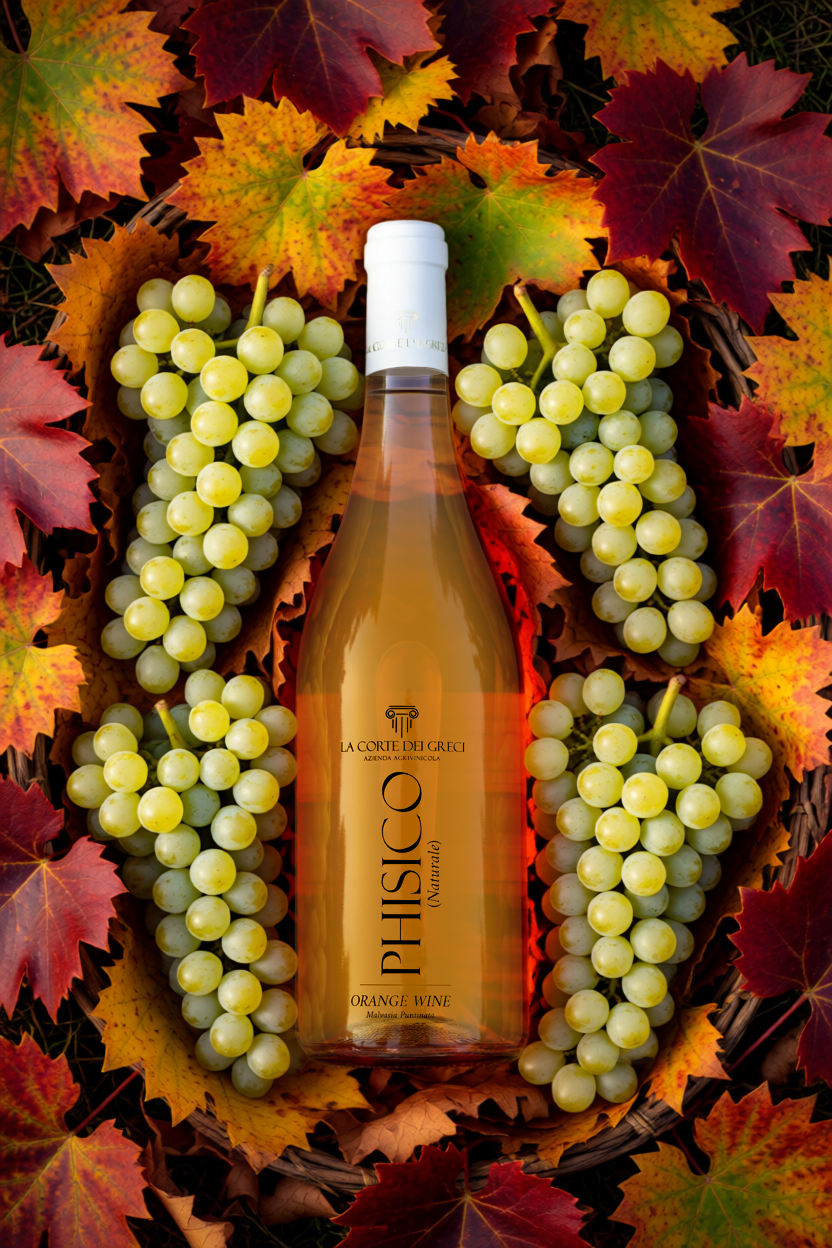
In the second stage, artificial intelligence builds the narrative setting around it. The product is placed in an autumn basket full of leaves and bunches of grapes, with light and shadow blended seamlessly for a striking scene.
2. Food Photography & Movement: Action in the Studio
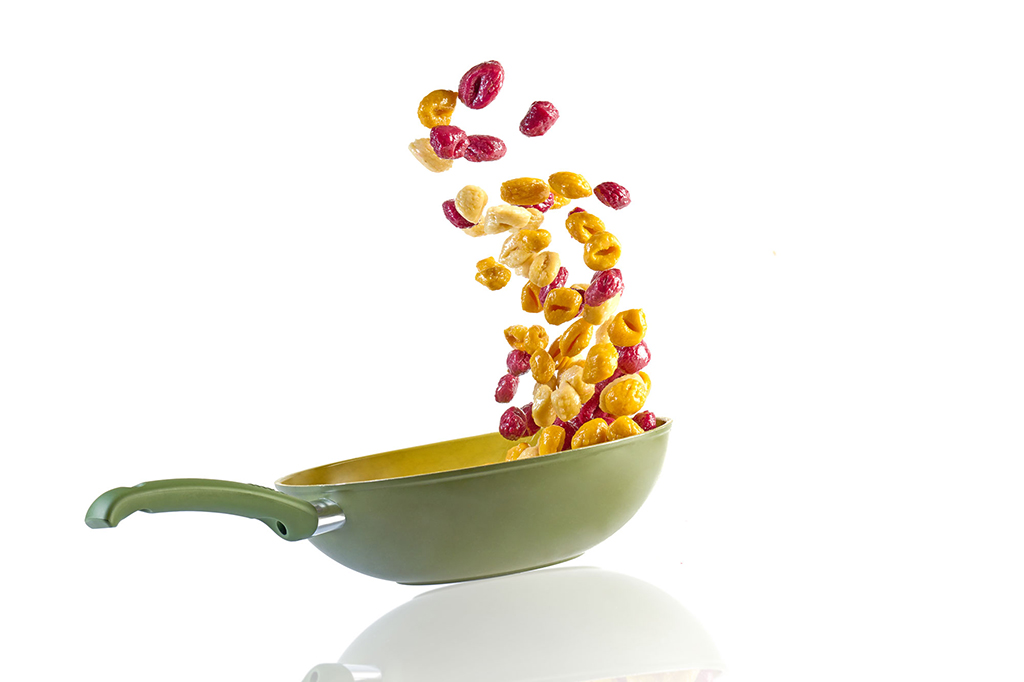
When a project calls for strong visual impact and complex movement, such as colourful gnocchi leaping from a pan, high-speed studio photography captures the real food with a sharpness that cannot be repeated.
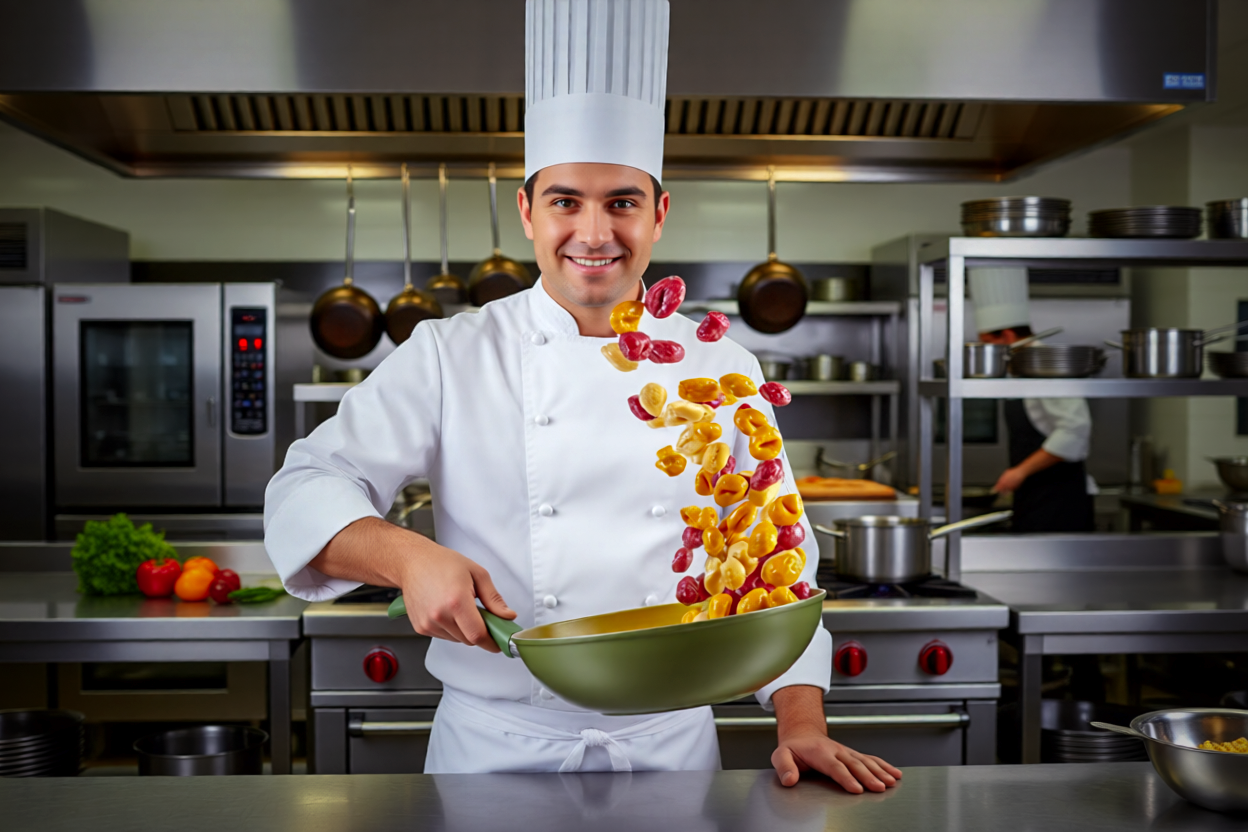
The real action, frozen in the studio, is then brought into the hybrid workflow and set in a busy professional kitchen, complete with the chef and stainless steel equipment.
3. Beverage Advertising Campaigns: Two Variations
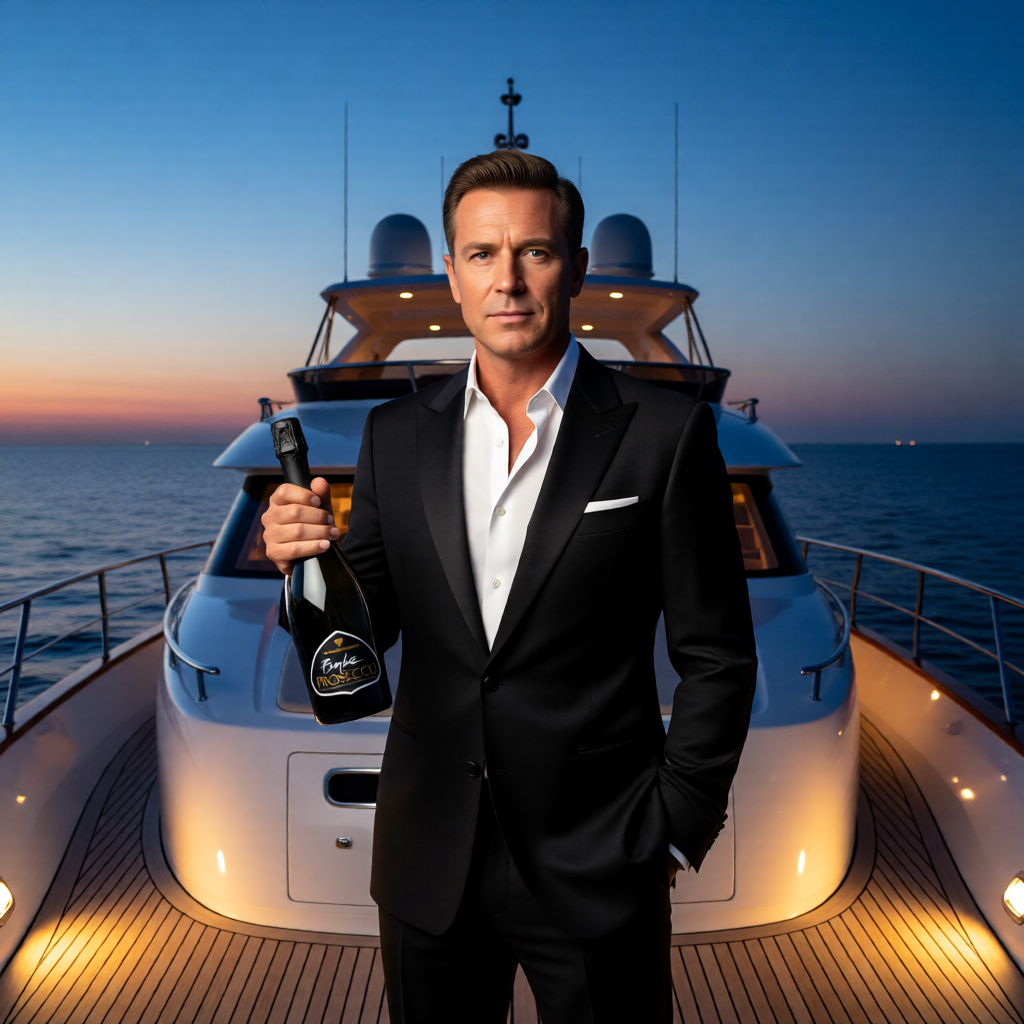
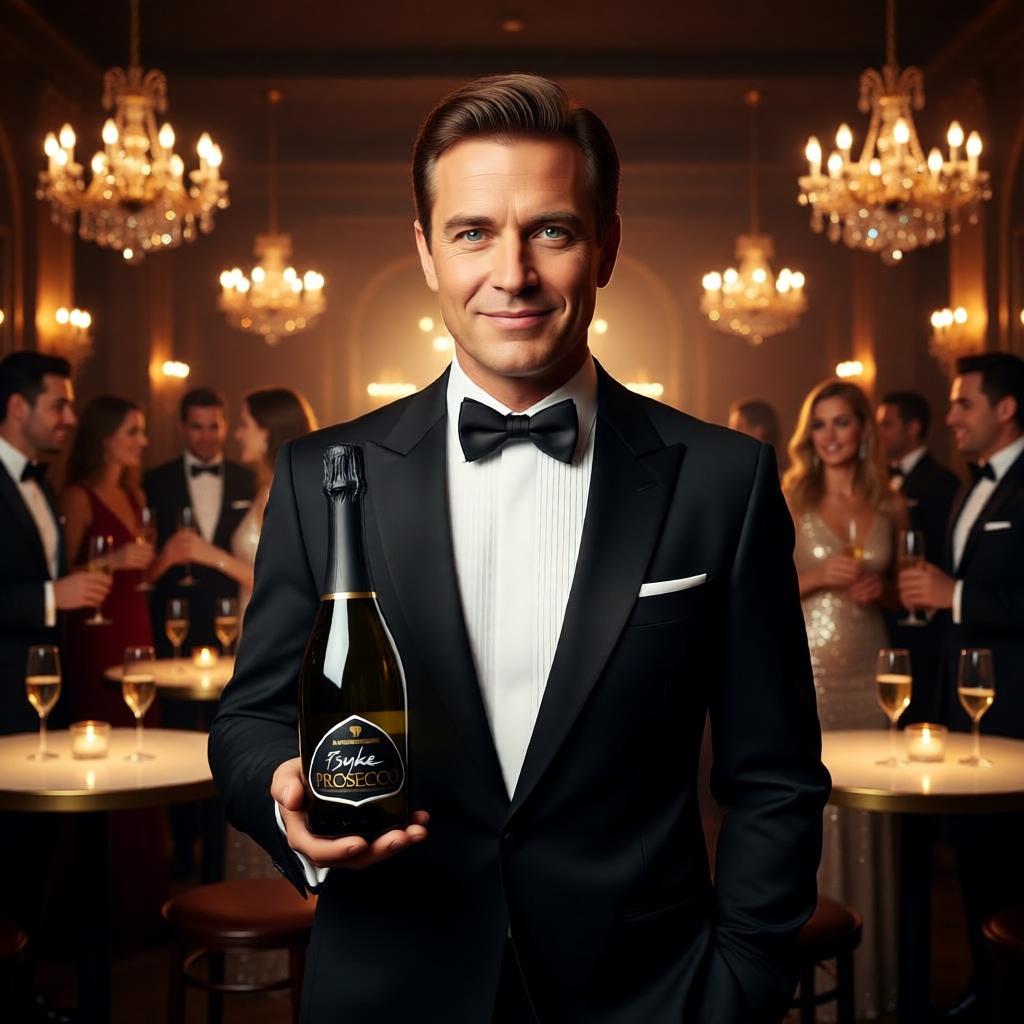
The real strength of this method is scalability: starting from a single real master shot of the bottle in the studio, an advertising campaign can be developed into multiple variations of style and target audience.
From the exclusive appeal of a yacht at sunset to the elegance of an indoor gala party, the product keeps its physical identity intact while the hybrid setting adapts to the brand's strategic needs.
4. Product Storytelling: When AI Tells an Idea
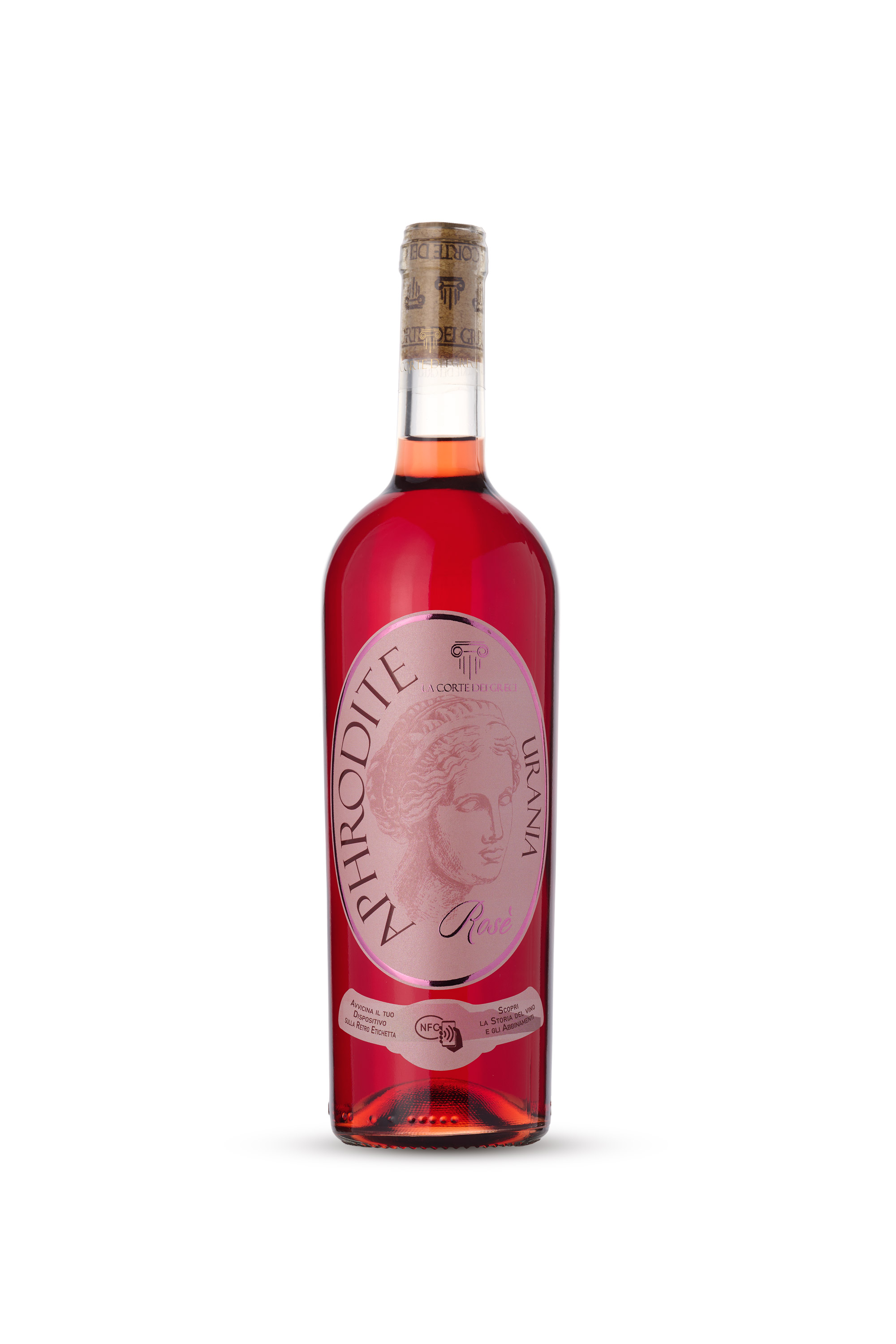
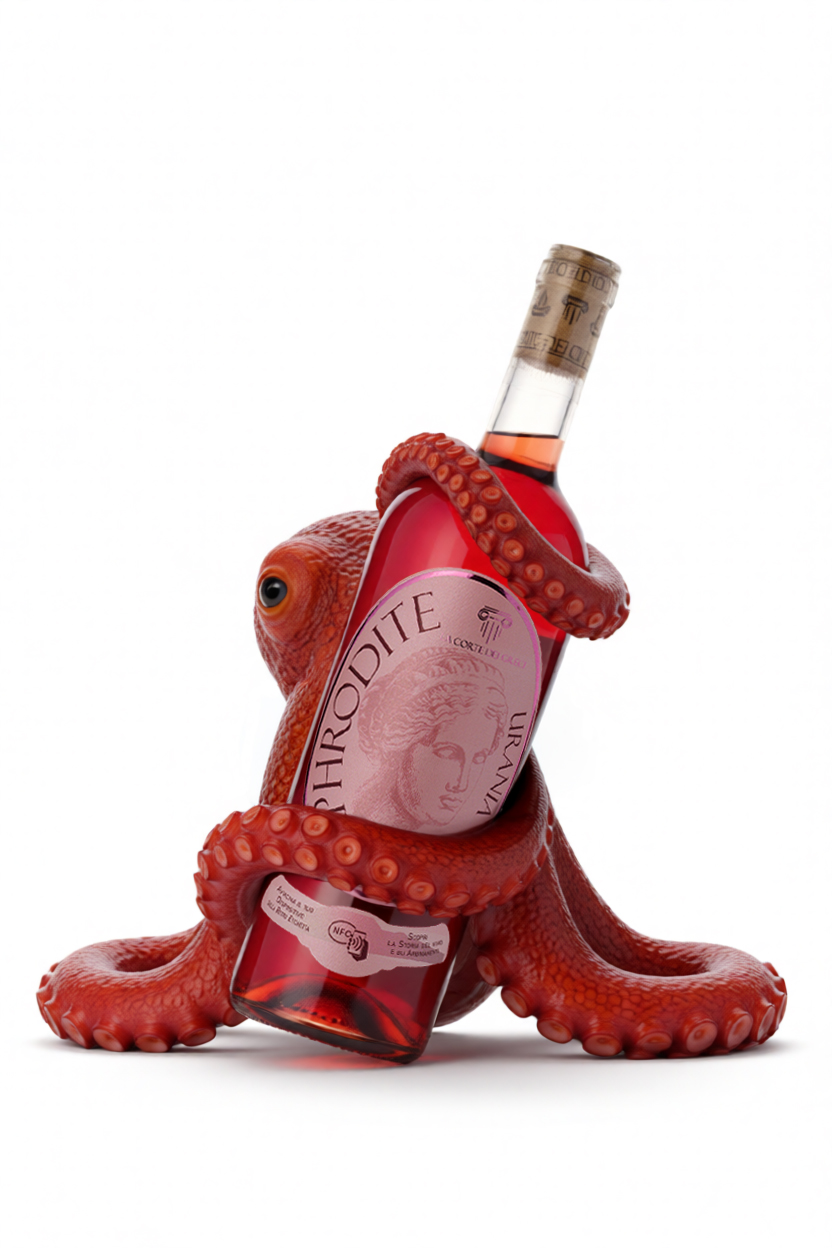
The hybrid workflow is not only for building striking settings: it can also become a narrative language, able to convey in a single image an idea that would otherwise take words. For La Corte dei Greci, the new smart label on the Aphrodite Urania rosé includes an NFC chip which, when a smartphone is held close, suggests the best food pairings for that bottle. The smart label is the producer's own initiative.
Starting from this shot, artificial intelligence made it possible to build a conceptual image inspired by the sea: an octopus gently embraces the bottle, holding it at an angle in an affectionate gesture. The thread running through it is the colour harmony between the animal's reddish skin and the warm tones of the rosé, which strengthens the visual coherence of the concept, designed to be reused across catalogues, social media and marketing materials without a new shoot.
How I Work with Artificial Intelligence
I'll say it plainly: I work alongside an artificial intelligence every day. The hybrid images on this page, like the octopus for Aphrodite Urania that One Eyeland chose as AI Picture of the Week, are the part you can see. There is a lot more behind them.
One thing doesn't change, though. I take the photographs myself, in the studio, with real light on real products. AI never touches the bottle, the label or the liquid, and every decision stays mine.
In the studio and in the creative phase
Ideas start with me, then I put them to the test. I describe them to the AI and ask it to find the weak spots, the way a demanding art director would. Sometimes the idea comes out stronger, sometimes I throw it away and start again. Either way, the starting point and the final call are mine.
On set it's a second pair of eyes. After the test shots we go over the details that can slip past you after hours of work: a shadow too many, a light that isn't doing its job, a bottle that isn't perfectly straight. And when I need a custom support, it draws up the technical drawing so I can print it.
In communication
It helps me write emails, website copy and posts. I read, cut, and sometimes rewrite from scratch. If you get an email from me, I've read it and sent it myself.
In finding clients
Before I write to a company, I study it: what it makes, its labels, its recent projects. AI helps me search, and I check every piece of information against a source before using it. That way I only write to a few companies at a time, but I know what I'm talking about.
In running the website
I look after the site and the server myself, with AI as my technical assistant: security, updates, reading the visitor data. It also walked me through moving to a new server, something I would have put off for months on my own.
Why I'm telling you this
Because I think you have a right to know. And because it leaves me more time for the part that really matters: being on set.